
Scrape painting: what it is and how to do it
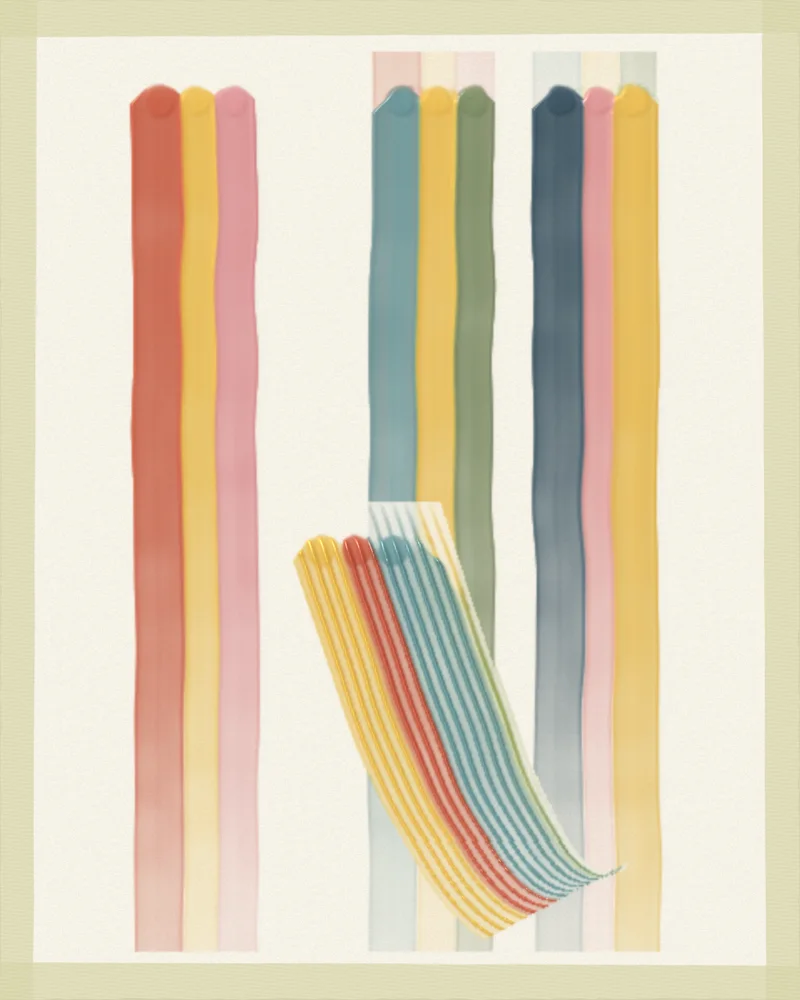
Scrape painting, also called scrape art, is about the most satisfying way to put paint on paper. You squeeze a few blobs of acrylic paint in a row, then pull a flat edge through them in one stroke. The colours stretch into ribbons and fold into each other, and every pull comes out different.
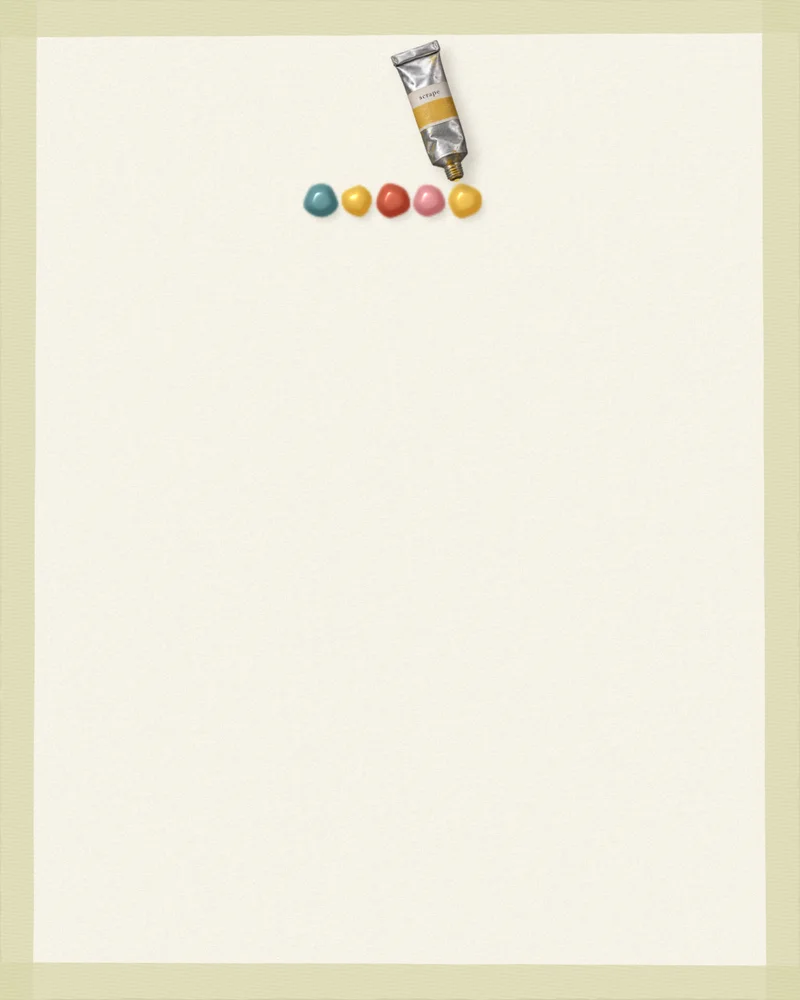
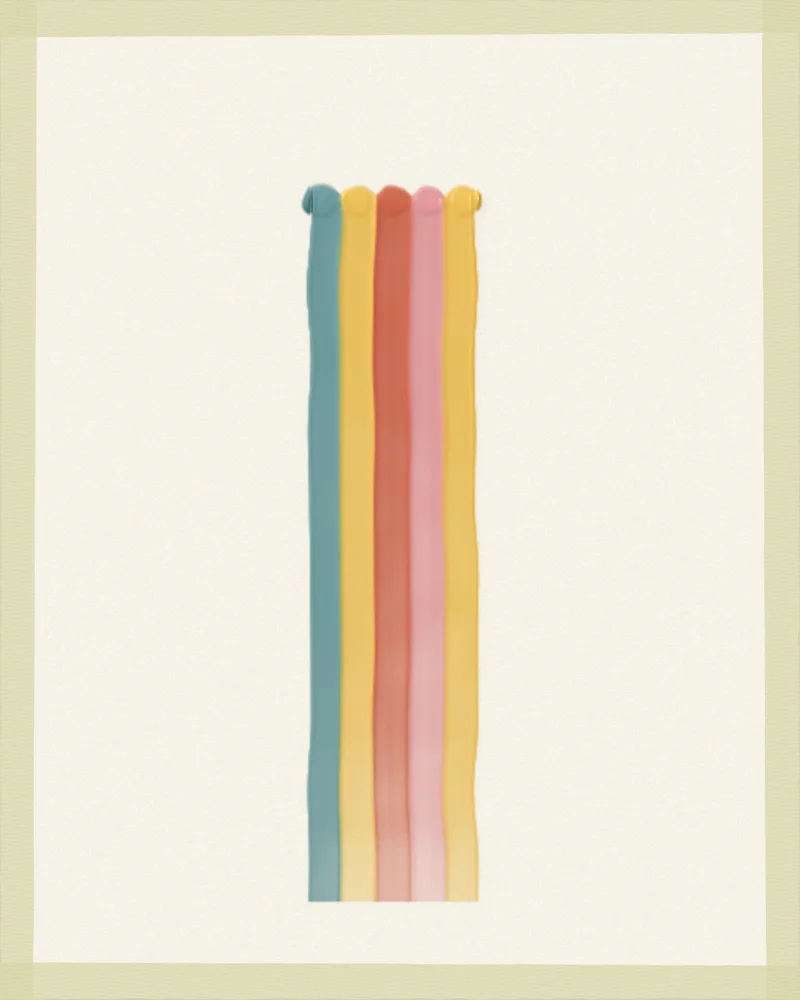
It needs no drawing skill and almost no kit, which is why it has spread so far, from art classes and kitchen tables to a whole genre of slow, satisfying videos. All you control is the paint, where you put it, and how you pull. That turns out to be plenty.
Try it before you get the paint outScrape is a free scrape painting studio in your browser: real-feeling paint, a card and a comb, and an undo button.
Start paintingWhat you need
- Acrylic paint in three to five colours. Thicker paint holds ridges and texture; thinner paint spreads further and smoother.
- Something to paint on that won't buckle: heavy paper or card, a canvas board, or a primed panel.
- A scraper. An old gift card or loyalty card is perfect. A rubber squeegee, a plastic paint scraper or a palette knife all work too, and each leaves its own marks.
- Masking tape for the edges, which gives you a crisp border.
- Paper towels or a damp cloth for wiping the card, and something to protect the table.
How to do scrape painting, step by step
- Tape the edges. Tape the paper or board down on all four sides. It stops the surface sliding as you pull and leaves a clean frame when you peel it off.
- Choose a few colours. Three to five is plenty. Include at least one light and one dark colour; the contrast between them is what makes the stripes sing.
- Squeeze the paint. Put dollops or short lines of paint in a row near one edge. Keep the row a little narrower than your card, so every colour gets caught.
- Pull the card. Rest the card across the row at a low angle, press gently and pull it through the paint in one steady stroke. Don't stop halfway: a pause leaves a hard line.
- Look, then decide. Often the first pull is the best one. If it needs more, wipe the card, add paint and pull again, across or on top of the first.
- Let it dry. Acrylic dries in minutes when thin and up to a day when thick. Peel the tape off slowly, folding it back on itself.
Tips for better scrape art
Use fewer colours than you think
Every colour you add mixes with its neighbours. Three or four colours side by side stay bright; eight usually turn muddy in the middle. Mixing paint digitally is a quick way to find out which pairs stay clean.
Put light next to dark
A pale colour between two strong ones makes each stripe stand out. A little white or cream in the row softens the whole pull.
Change the pressure
Press hard and the card leaves a thin, smooth film. Press lightly and the paint stays thicker, with more texture and more of each colour.
Try a comb
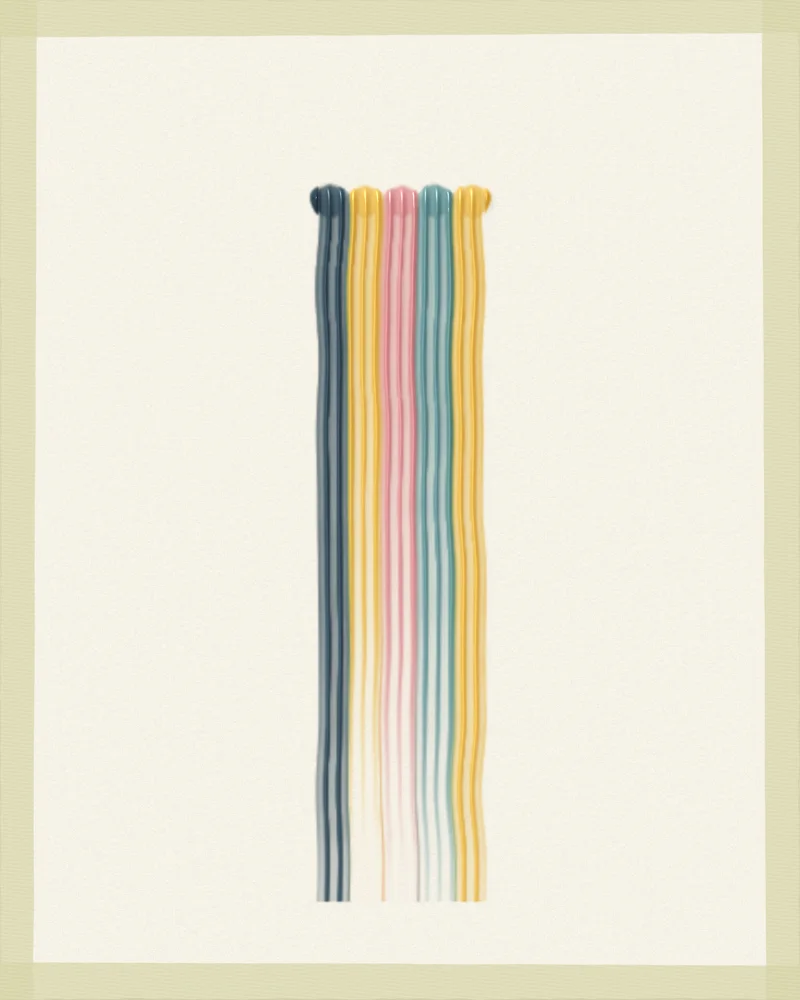
Cut notches into the edge of an old card and you have a comb. Paint squeezes through the gaps and stands up in raised ridges, with thin grooves between them.
Turn as you pull
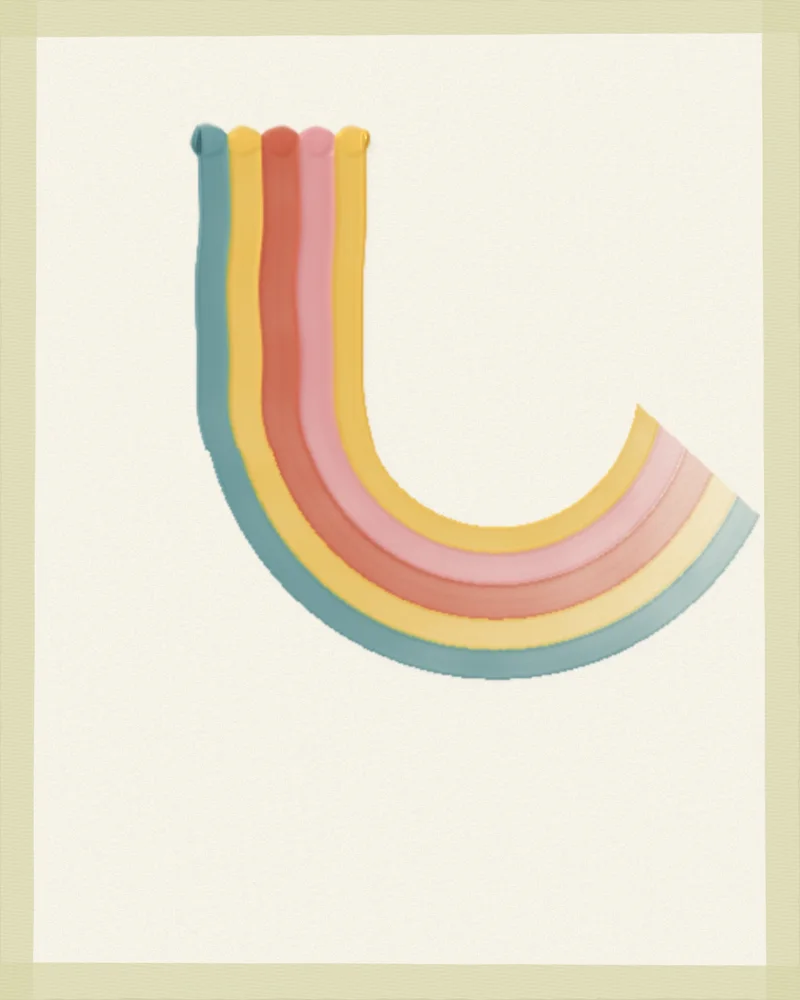
Straight pulls make stripes. Turn the card as you go, or swing it round one corner, and the ribbons bend into arcs, fans and rainbows.
Layer it
Once a pull has set a little, squeeze a new row across it and pull again. The second pull carries a little of the first with it.
Scrape painting ideas
- Rainbow arcs: warm colours in the middle of the row, cool ones at the ends, and a pull that swings round a curve.
- Sunset bands: yellow, orange, pink and purple pulled straight down, then a thin dark line of hills painted on top.
- Ocean: teals, blues and white pulled in a gentle wave.
- Stripes on stripes: one pull down, and once it's dry, one across it.
- Cards and bookmarks: fill a big sheet with pulls, then cut it into pieces. Every piece is different.
Plan your next painting in ScrapeTest colour combinations, pulls and curves as many times as you like, then save the one you love as a picture.
Make a paintingQuestions
What paint is best for scrape painting?
Acrylic paint. It dries quickly, stays bright and comes in any thickness: heavy-body acrylic holds ridges, and fluid acrylic spreads into long, smooth pulls.
What can I use instead of a scraper?
Anything flat and a little stiff: an old gift card, a piece of thick cardboard, a ruler or a plastic spatula. A rubber squeegee gives the smoothest pulls.
Is scrape painting the same as acrylic pouring?
No. In pouring, you let thinned paint flow on its own. In scrape painting, you drag the paint with a card, so you decide where it goes and how far.
Can children do scrape painting?
Yes, and they love it. For little ones, use washable paint and a small squeegee; see squeegee painting with kids.
Can I do scrape painting online?
Yes. Scrape is a free scrape painting studio that runs in your browser on a phone, tablet or computer. Squeeze paint from a tube, pull a flat card or a comb, turn it as you go and save your painting as a picture. There's nothing to install and no account.